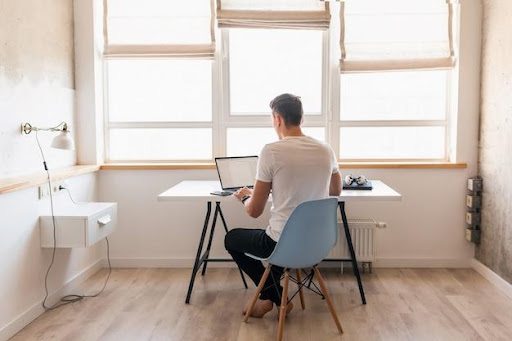
The office surroundings have passed through a big transformation over the past long time, transferring from the conventional cubicle farms of the 20th century to the open-plan places of work that dominate modern-day workspace. This evolution reflects broader changes in work way of life, era, and control philosophies, and it continues to influence how we conceptualize and design our painting environments.
Office Partition
The cubicle, or notebook, became synonymous with the modern office beginning in the 1960s. Introduced using Robert Props, a workplace dressmaker at Herman Miller, booths were designed to cope with the increasing need for each space efficiency and worker privateers Office Partition. Probst intends to create a bendy workspace that might adapt to special tasks and individual desires even as preserving a prepared and efficient format.
Cubicles supplied a semblance of privateers and personal space in the densely packed office environments of the time. They allowed agencies to maximize using workplace areas, accommodate more personnel, and create uniform painting surroundings. However, notwithstanding their practicality, cubicles also became emblematic of an inflexible, impersonal work subculture, wherein employees felt isolated and constrained.
Office Furniture Supplier
In the late 20th and early 21st centuries, a brand new wave of office layout began to emerge, challenging the dominance of booths office furniture supplier. The open-plan office, characterized by massive, unobstructed spaces and minimum partitioning, becomes promoted as a way to foster greater collaboration and conversation among employees. This layout philosophy turned into rooted in the belief that getting rid of bodily barriers could enhance teamwork, creativity, and transparency within companies.
The open-plan workplace idea was championed by designers like Frank Duffy and groups of the International Workplace Group. They argued that such layouts endorsed interplay, reduced hierarchical obstacles, and supplied extra dynamic and bendy painting surroundings. Companies like Google and Facebook followed these designs to mirror their modern and agile cultures and plenty of others followed in shape.
However, while the open-plan workplace provided advantages in terms of collaboration and area performance, it also introduced new challenges. Employees in open-plan spaces are frequently confronted with accelerated noise tiers, distractions, and a lack of privacy. These troubles brought about issues approximately productivity and proper being, prompting a reevaluation of the open-plan version.
Office Partitions Philippines
The barriers of the open-plan office have led to the development of hybrid work environments that combine factors of both booths and open spaces Office Partitions Philippines. Modern workplace designs regularly incorporate a mixture of open areas, semi-enclosed spaces, and private rooms to cater to one-of-a-kind work styles and wishes.
One splendid fashion in this evolution is the introduction of “interest-based operating” (ABW) and “agile” office standards. ABW emphasizes presenting several workspaces tailor-made to one-of-a-kind obligations, which include collaborative areas, quiet zones, and assembly rooms. Agile offices take this a step further by incorporating flexible, reconfigurable workspaces that may be without difficulty tailored to changing wishes and crew compositions.
Partitions in these contemporary environments are frequently designed with flexibility in mind. Movable monitors, modular furniture, and adjustable partitions permit businesses to reconfigure spaces quickly and efficiently. This adaptability helps extra dynamic painting surroundings, where personnel can choose the place that nicely fits their cutting-edge project, whether it’s focused work, brainstorming classes, or informal meetings.
The Future of Office Partitions
As we appear to the future, the function of office partitions is probably to preserve evolving in reaction to rising traits and technology. Several factors are expected to form the future of office layout and partitioning:
Hybrid Work Models
The rise of remote and hybrid paintings has changed how groups view office spaces. As extra corporations undertake flexible work preparations, office partitions will want to aid both in-workplace and far-flung work. This can also include creating areas that facilitate video conferencing, collaboration with far-off teams, and activities that bridge the space between in-office and far-flung personnel.
Technology Integration
Advances in the era are using adjustments in office layout. Smart walls ready with sensors and connectivity functions may additionally come to be extra, not unusual, allowing for real-time modifications to lights, acoustics, and temperature. Additionally, augmented truth (AR) and digital reality (VR) ought to play a position in designing and visualizing office spaces earlier than they may be constructed.
Health and Well-being
The focus on employee health and well-being is in all likelihood to influence office partition design. Features that promote physical and mental health, which include progressed air quality, natural mild, and basophilic design factors, will be increasingly crucial. Partitions that offer acoustic privateers and decrease noise pollution may also be critical in creating some conducive work surroundings.
Conclusion
The evolution of office walls reflects broader changes in paintings’ way of life, generation, and layout philosophy. From the established cubicles of the beyond to the dynamic and bendy areas of the existing and destiny, office walls play an essential role in shaping how we paint and engage. As we move forward, the undertaking could be to create work environments that have collaboration, privacy, flexibility, and nicely-being, all at the same time adapting to the converting wishes of the modern-day staff.